Have you ever sat in a group and felt your words stay stuck in your throat? Perhaps you had something to say, but the room did not yet feel safe enough. Trust is the quiet foundation of every group that helps people grow. It cannot be forced, and it does not appear on day one. But it can be invited, and small, steady habits make a real difference.
What trust actually means in a group
Trust is not agreeing with everyone or becoming close friends. In a group, trust usually means a few simple things: you believe you will be listened to, you expect that what you share will be treated with respect, and you know you will not be laughed at or judged for being yourself. It is the feeling that it is safe to be imperfect here.
Because trust is a feeling, it grows slowly and unevenly. Some people open up quickly. Others need more time, and both are fine.
Start with small, low-risk sharing
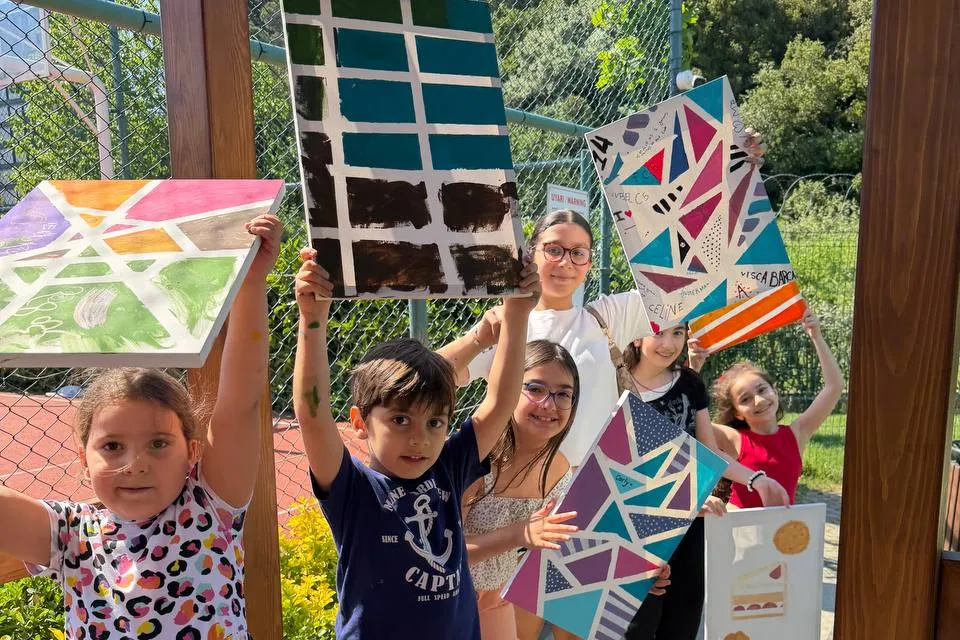
Trust grows in steps. A good group does not ask for deep personal stories in the first meeting. It begins with light, easy invitations: choosing a colour, naming a favourite season, or showing a drawing without explaining it. Each small act of sharing that is met with kindness teaches the group, “this is a safe place”.
When you share a little and nothing bad happens, the next step feels less frightening. This is how a circle of strangers gradually becomes a circle of people who know each other a little better.
Shared agreements create safety
Groups feel safer when everyone knows how to be together. Clear, simple agreements take away guesswork. Many groups agree on things like confidentiality, listening without interrupting, speaking from your own experience, and the freedom to pass. When these agreements are spoken aloud and remembered, people can relax, because they know what to expect.
Good facilitation matters here too. A calm facilitator gently protects the agreements, makes sure quieter voices have room and keeps the pace kind.
Listening is the strongest trust-builder
You do not have to say much to build trust. Listening well may be the most powerful thing you can offer. It means paying attention without preparing your reply, letting silence be comfortable and resisting the urge to fix or compare. Often a person simply wants to be heard, and feeling heard is what makes the next honest sentence possible.
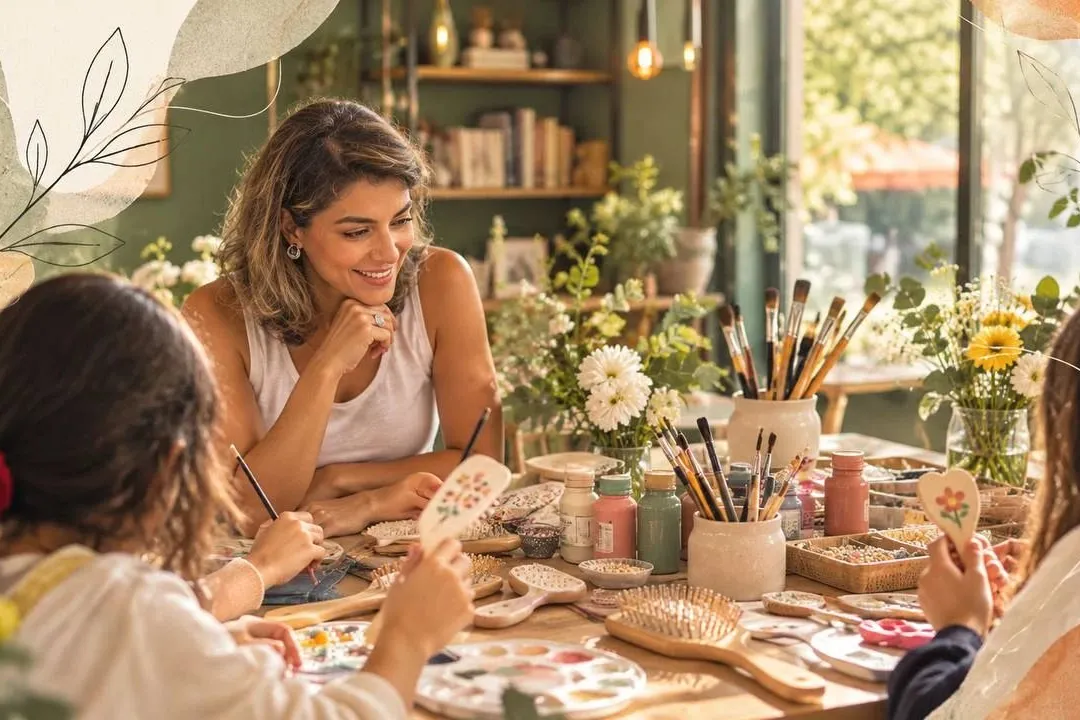
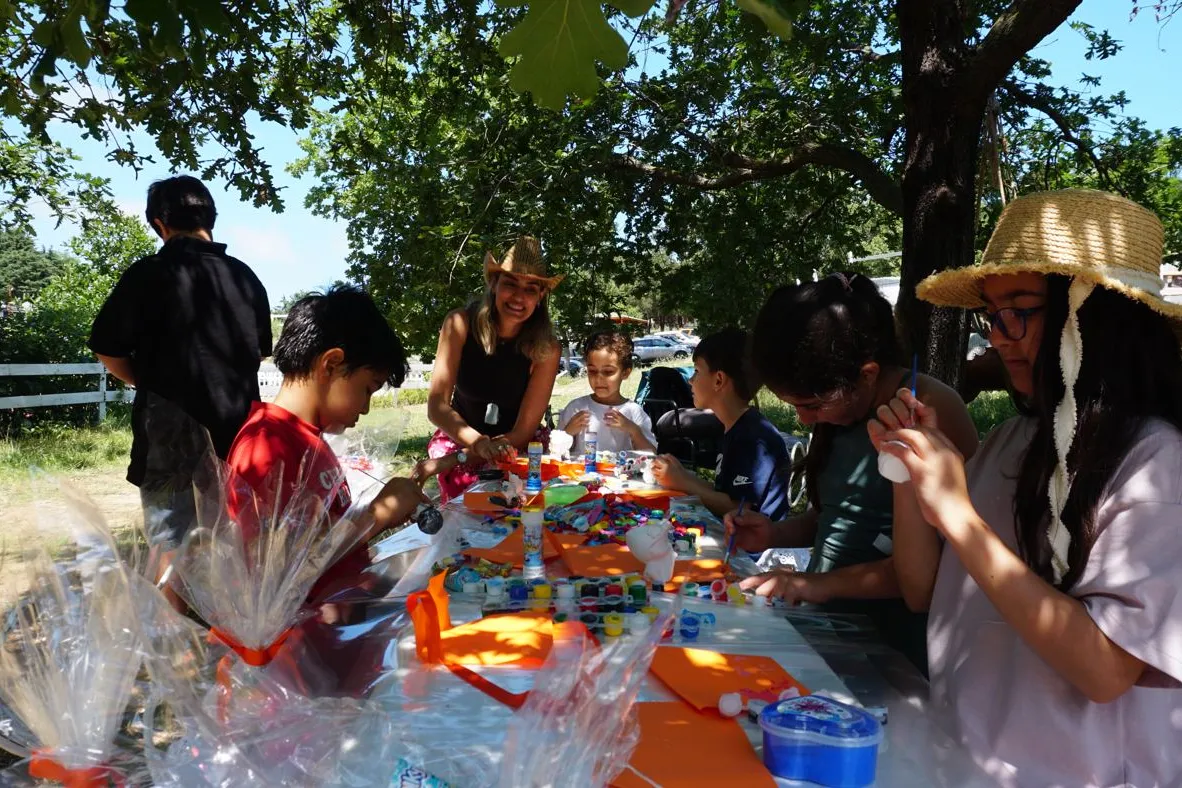
Creative work supports this beautifully. When everyone is busy with paper and colours, there is less eye contact pressure and more natural space to listen. Looking at a drawing together is gentler than looking at each other.
Small habits that help
Whether you are a participant or someone leading a group, these habits help trust grow:
- Arrive on time and show up regularly, so people can count on you.
- Keep what others share private, always.
- Speak about your own experience (“I felt…”) rather than telling others what they should do.
- Respond to others’ work with curiosity, not judgement.
- Admit when you are unsure; it gives others permission to do the same.
- Thank people for sharing, even when it is only a few words.
- Respect the right to pass without asking why.
When trust is shaken
Sometimes a comment lands badly or someone feels left out. This does not mean the group has failed. How it is repaired matters more than the moment itself. A caring group can pause, name what happened with kindness and try again. Often trust becomes deeper after a small mistake has been handled honestly.
If you ever feel unsafe or deeply uncomfortable in a group, you are always free to step back or leave. Your wellbeing comes first. If difficult feelings stay with you for a long time, it can be a good idea to talk with a qualified professional. Coaching is a supportive creative space and does not replace therapy or medical care.
Give it time
Trust in a group is built over weeks, not minutes. You do not need to hurry it or measure it. Simply keep showing up, listening and sharing at your own pace. Many people notice that, with time, the room feels warmer and they feel more like themselves in it.
If you would like to experience this in a small, calm setting, you can read about our group coaching, see our workshops or write to us with any questions. We would be glad to welcome you.