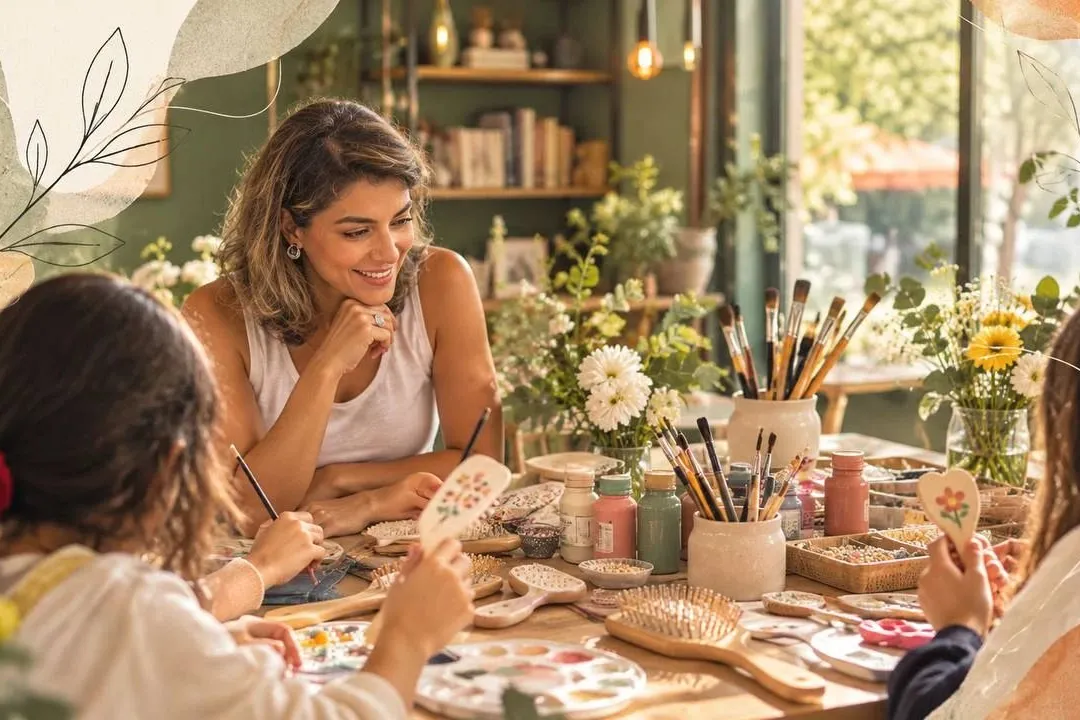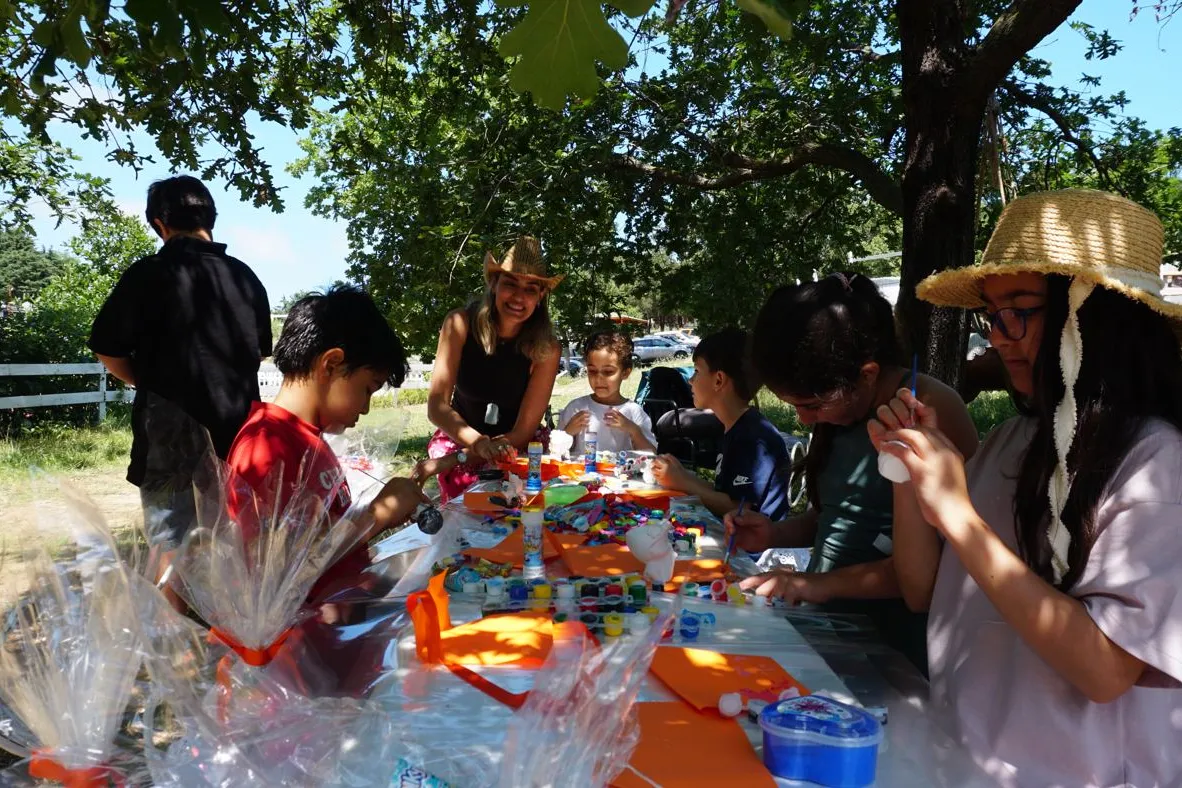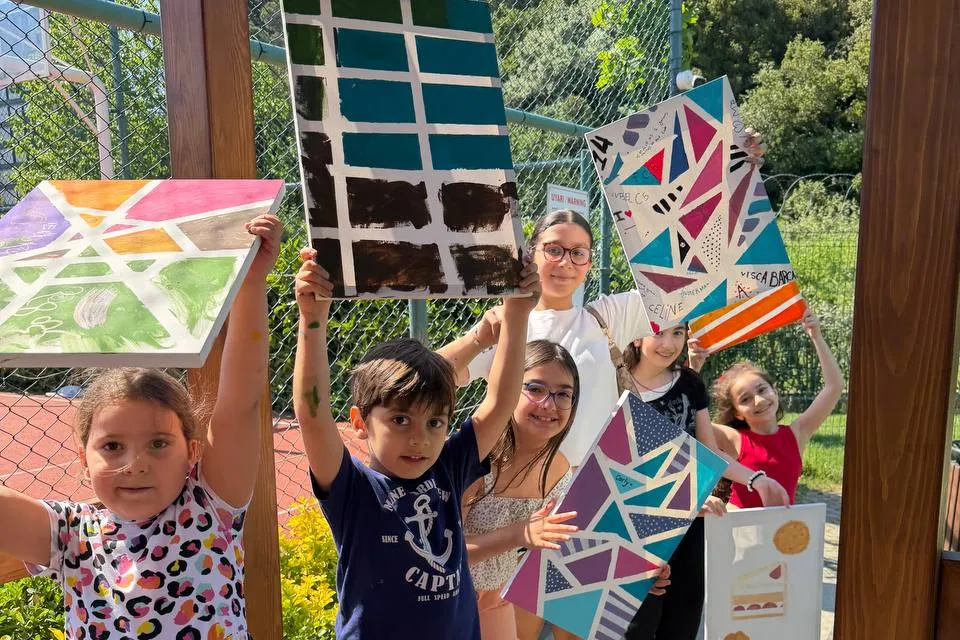
When people create together, something relaxes. Hands are busy, eyes rest on paper rather than on each other, and conversation begins to flow without effort. That is why creative exercises are such a gentle way to build connection in a group, whether it is a circle of friends, a family evening or a team that wants to know each other better. Here are practical ideas you can try, with a few tips for making them feel safe.
Before you begin: set the tone
A few small choices make any exercise work better. Say clearly that nobody is being judged and that there is no “good” or “bad” result. Remind everyone that sharing is optional and that passing is always fine. Keep materials simple: paper, pencils, markers or paint are plenty. And join in yourself, imperfectly, so that others feel free to do the same.
Gentle openers
Colour check-in. Place a handful of coloured pencils or paper squares in the middle. Each person picks the colour that matches how they feel today and says it aloud, with a word or two if they wish. It takes only a few minutes and helps everyone arrive.
The one-line self-portrait. Without lifting the pencil from the paper, each person draws a quick portrait of themselves, or just a symbol that stands for them. The result is always a little funny and a little revealing, and it breaks the ice with laughter rather than pressure.
Exercises for working together
The passing drawing. Everyone starts a drawing on their own sheet and adds a few lines. After a minute, pass the sheet to the person on the right, who continues it. Keep passing until each drawing returns to its first owner. People often enjoy seeing how others have built on their start, and there is no way to do it wrong.
The shared mural. Tape a large sheet of paper to the wall or table and give a simple theme, such as “a place where we would all like to be”. Everyone adds what they like. Afterwards, look at the whole picture together and notice how different ideas share one space.
Collage of our group. Provide old magazines, scissors and glue. Each person cuts out images or words that speak to them and creates a small piece, then the pieces are joined into one big collage. It is a lovely way to see the group as a whole.
Exercises for listening and reflecting
Draw what you heard. In pairs, one person speaks for a minute or two about something that matters to them, such as a favourite place or a small joy. The other listens and draws shapes and colours that reflect what they heard, rather than a literal picture. Then they show it and ask, “Does this feel close?” It trains attentive listening beautifully.
Appreciation postcards. Each person writes their name on a card. The cards are passed around, and everyone adds a kind, specific note or a tiny drawing for each person. At the end, everyone takes home a card full of warmth.
A short list for facilitators
Whatever exercise you choose, these reminders help it stay kind and useful:
- Explain the exercise simply and show one quick example, without setting a standard.
- Offer choices, such as different materials or the option to work alone for a while.
- Keep time loosely; leave space for quiet and for slow starters.
- Invite sharing with open questions like “What did you notice?” rather than “Why did you draw that?”
- Avoid interpreting anyone’s picture; let the maker say what it means.
- Keep what is shared within the group.
- End with one calm moment, such as a sentence about what each person takes away.
A note on care
These exercises are for connection and enjoyment, not for diagnosing or treating anything. If a member of your group seems to be struggling with difficult feelings, gently encourage them to speak with a doctor or another qualified professional. Creative activities can be a warm companion to that support but not a replacement.
Try it with us
If you would like to experience exercises like these guided by a facilitator, our group coaching offers a calm, creative space to practise them. You can also explore our workshops, register when you are ready, or write to us if you would like to ask anything first.