“I’m fine.” “Nothing happened.” “I don’t know.” If you are a parent, you have probably heard these answers more than once. Children often feel far more than they can explain. The feelings are real, but the words are still on their way. This is where drawing can quietly help.
Why feelings are hard to say out loud
Emotions are big and wordless at first. A child may feel a tight, hot, or heavy sensation without knowing it is called frustration or disappointment. Language for feelings grows slowly, through experience and through adults who gently name things with them. Until the words arrive, many children simply act the feeling out, or hide it.
What drawing gives a child
Drawing offers a way to show a feeling before explaining it. A child does not need to be accurate or “good at art”. A dark scribble, a big red sun, or a tiny figure in the corner of the page can say something that a sentence cannot yet say. Many educators observe that children talk more freely about a picture than about themselves directly, because the picture sits between them and the adult. It feels safer.
Once the feeling is on paper, it becomes something you can look at together. That small distance often makes it easier to name.
From a picture to a word
The step that matters most is what happens after the drawing. Instead of guessing what it means, try curious, open questions:
- “Tell me about your picture. What is happening here?”
- “What colour feels like today?”
- “If this part could talk, what would it say?”
- “Have you felt something like this before?”
- “Is this feeling big or small right now?”
Offer a word only after your child has told you their own version: “That sounds a bit like feeling left out. Does that fit?” Children learn feeling words best when the word is attached to something they have just lived and made themselves.
Small habits that make a difference at home
You don’t need special materials. Paper, pencils, and a few colours are enough. Try keeping a small “feelings page” where your child can draw how the day felt, with no rules and no corrections. Draw alongside them, and let your own drawing be simple and imperfect. When children see adults being relaxed about imperfection, they relax too.
Avoid praising only the result (“what a beautiful house!”) and try describing what you notice (“I see lots of blue and a very small door. Tell me about it.”). This keeps the focus on expression rather than performance.
A simple five-step feelings drawing
If you would like a starting point, try this short evening routine. It takes about ten minutes and needs nothing but paper and colours.
- Sit side by side and give each person a sheet of paper.
- Ask: “If today had a colour and a shape, what would they be?”
- Draw quietly for a few minutes, without talking about the result.
- Take turns showing your pictures and saying one thing about them.
- End by thanking each other for sharing, whatever the picture looks like.
Over time, children often start using the same small phrases they hear from you: “this part feels heavy” or “this one is excited”. That is exactly how an emotional vocabulary grows, one small word at a time. Be patient with the pace: some children name feelings quickly, others need many weeks of quiet drawing first, and both are completely normal.
A gentle note
Drawing is a helpful tool for expression, but it is not a diagnosis, and a picture should never be “analysed” like a test. If your child seems persistently sad, anxious, or withdrawn, it is a good idea to talk with a school counsellor or another qualified professional. Coaching through art supports everyday growth; it does not replace professional care.
How we work at Artifyclub
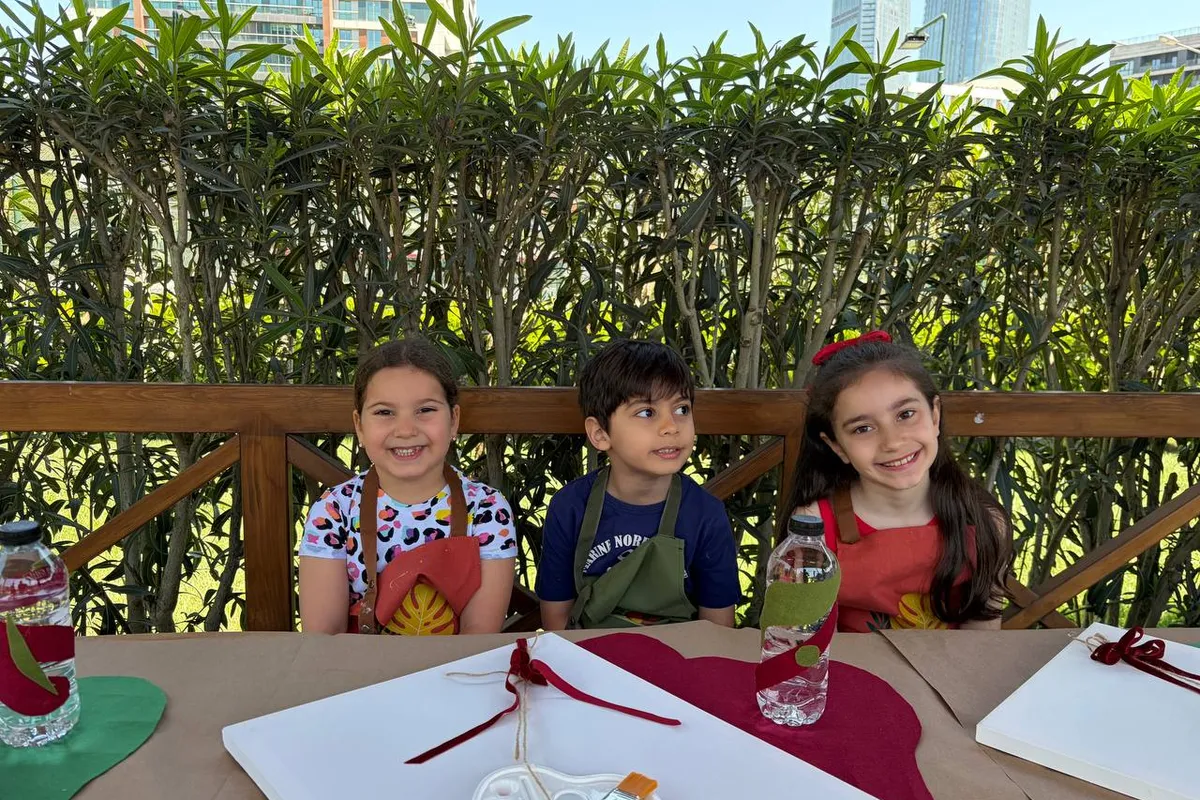
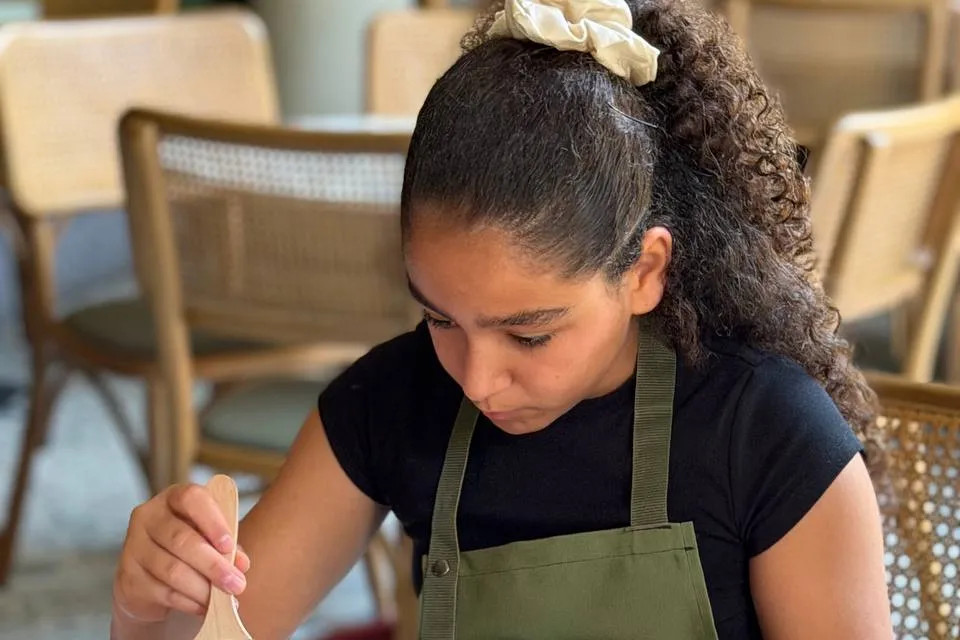
In our kids coaching and art workshops, children draw, paint and play while learning that every feeling has a name and a place. There is no right or wrong picture, only a safe space to try. If you would like to see how this looks in practice, take a look at our workshops or write to us with your questions.