Self-Expression
Finding your inner voice through art
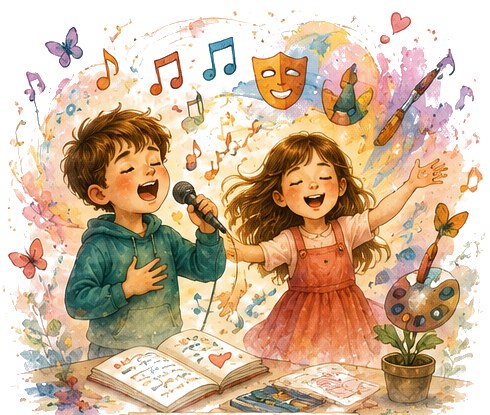
Self-expression is the ability to express feelings, thoughts and each child's unique identity. When children learn to express themselves authentically, their confidence blossoms and they build deeper relationships.
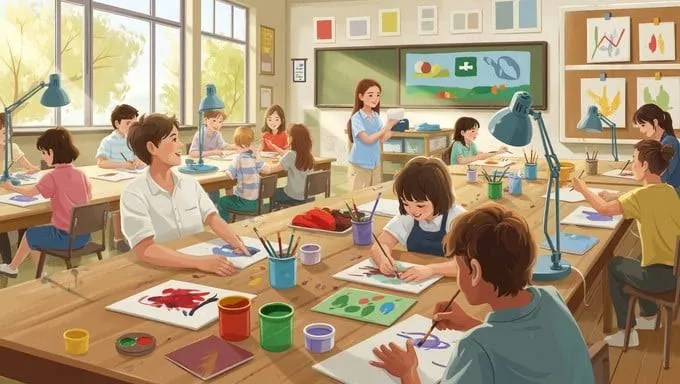
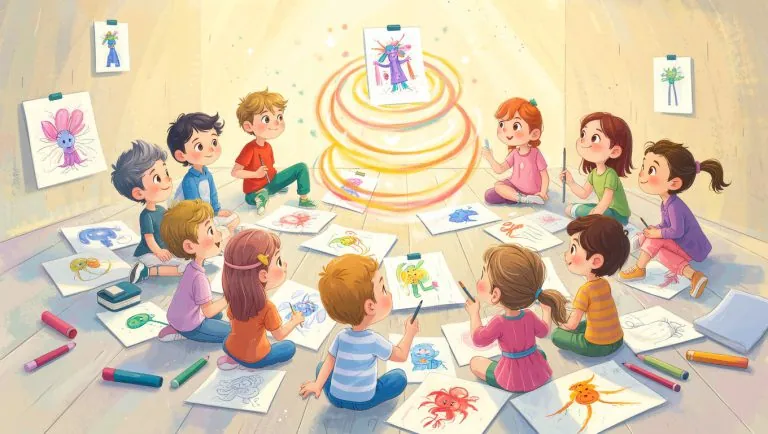
Our program uses painting, storytelling and visual arts to create a safe space for children to express themselves without fear of judgement.
Program impact
Effective communication
clearly expressing thoughts and feelings
Emotional expression
identifying and expressing emotions healthily
Visual arts
using art as a language for expression
Storytelling
narrating experiences and ideas
Self-confidence
believing in one’s ability to express
The learning path
- 1
Identifying emotions
understanding what is happening inside
- 2
Choosing media
selecting the right way to express (painting, music, story)
- 3
Creating
producing a work that expresses feelings
- 4
Presenting
sharing the work with others
- 5
Feedback
receiving feedback and improving expression
Real-life examples
At School
Speaking confidently in class and participating in group discussions
At Home
Expressing feelings and needs instead of aggression or silence
With Friends
Showing up in groups and building deep connections
Future Career
Becoming a confident speaker, writer, or artist
Connection to coaching
Your coach uses deep questions to help the child discover their inner layers. Art is a mirror for seeing and expressing oneself.
Let’s begin together →How does this skill shape a child's future?
Self-expression helps children recognize their identity in any situation and communicate it effectively to others. A child who practices self-expression today can speak confidently in groups tomorrow, share their ideas as a leader, and inspire others. This skill is the foundation of success in personal and professional relationships.
- Applies all these abilities in everyday situations, and learns to plan in order to achieve their goals.
- Develops the ability to adapt to new and unexpected situations, and through continuous practice, experiences resilience and perseverance when facing difficulties.
- Learns to think independently without relying on others, and strengthens the ability to express thoughts and collaborate with others.
- Recognizes and controls their emotions, and learns to be accountable for their own choices.
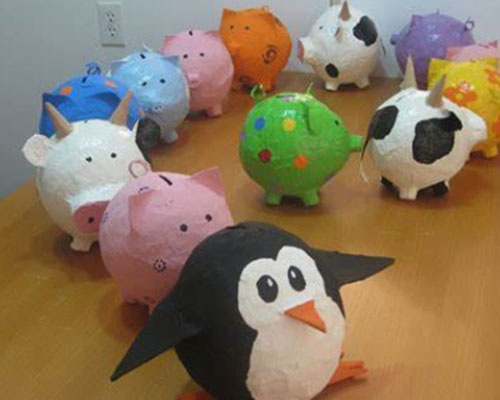
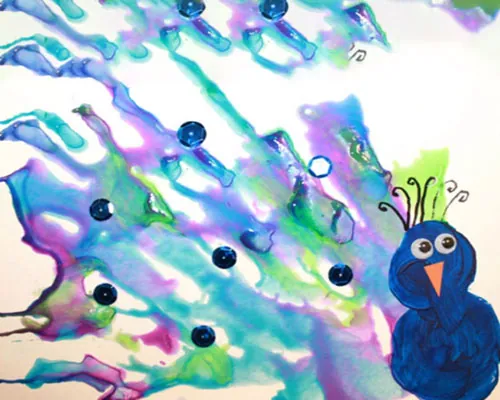
From Mind to Masterpiece

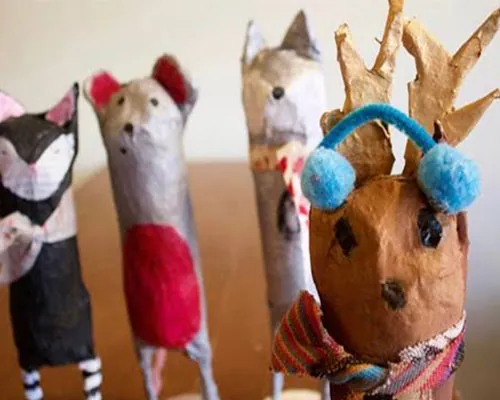
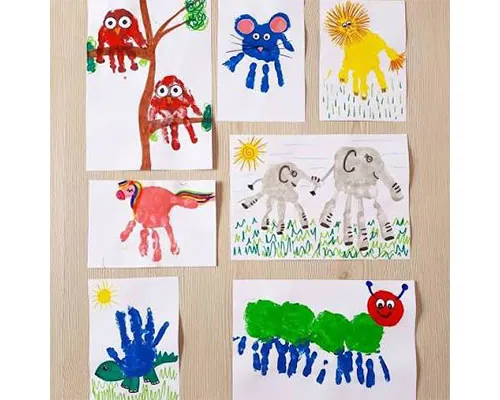
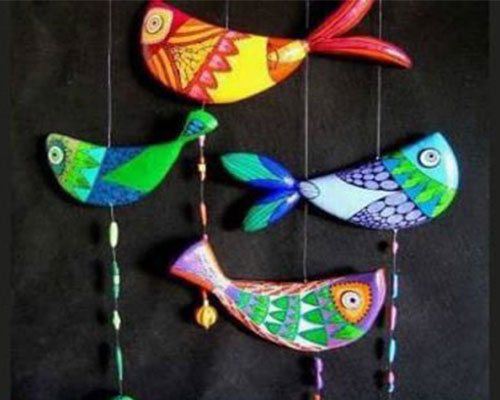
Parents share their experience
. "My son used to be very quiet and wouldn't express his feelings. After this workshop, he learned to express himself through painting and even speaks more confidently in groups." – 👤 Radin's Mother
. "My daughter was always shy about expressing herself. Now she enthusiastically tells us the stories she creates, and I see this change at school too." – 👤 Ava's Father
. "Artistic coaching has had a profound impact on my child's self-expression. He learned to be himself without fear of judgment, and that's the greatest gift we could give him." – 👤 Daniel's Mother
Workshops that build this skill
View all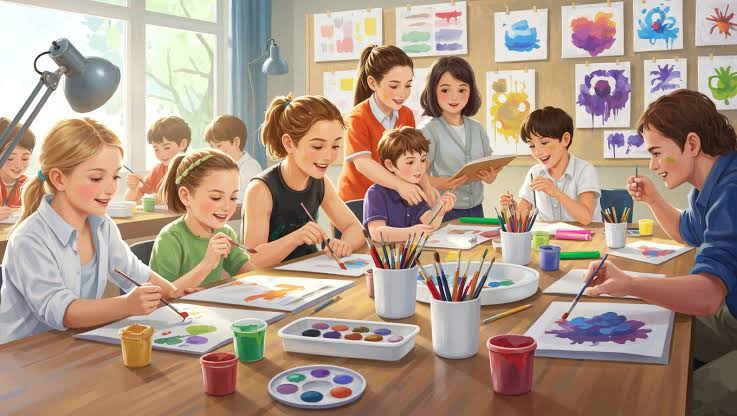
Questions, answered
1. Is self-expression an innate talent or can it be developed?
Self-expression is partly innate and completely developable. With practice and proper coaching techniques, every child can strengthen their expression.
2. How is this workshop different from public speaking classes?
The difference lies in the artistic and coaching approach. Instead of purely verbal techniques, we use art as a bridge for expression, allowing the child to discover themselves in a safe space.
3. Is self-expression only useful in speaking?
No, self-expression includes all forms of communication, including writing, painting, music, and body language.
4. How many sessions are needed to see results?
Usually, after 4 to 6 sessions, noticeable changes can be observed in the child's ability to express themselves.