Self-Awareness
Knowing your strengths and inner values
Self-awareness means knowing your feelings, strengths, needs and values. A child who knows themselves makes healthier choices and grows with more confidence.
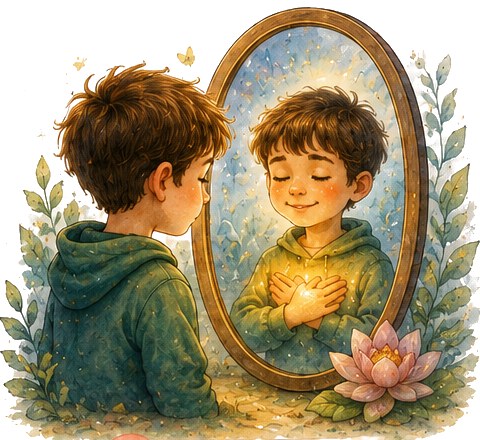
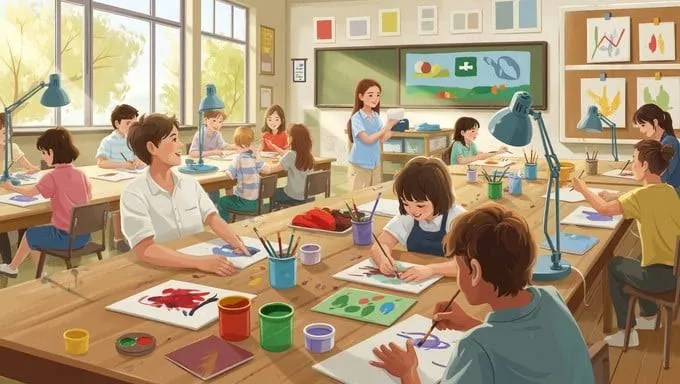
In our program, art is a mirror in which the child sees and gets to know themselves.
Program impact
Identifying strengths
knowing what I am good at
Understanding feelings
naming and understanding what I feel
Personal values
knowing what matters to me
Confidence
believing in myself through real self-knowledge
Goal setting
choosing a path based on knowing myself
The learning path
- 1
Self-discovery
asking “who am I?”
- 2
Identifying feelings
seeing and naming emotions
- 3
Acceptance
accepting myself with all my traits
- 4
Growth
practising strengths and nurturing weaknesses
- 5
Goal setting
setting a goal that fits who I am
Real-life examples
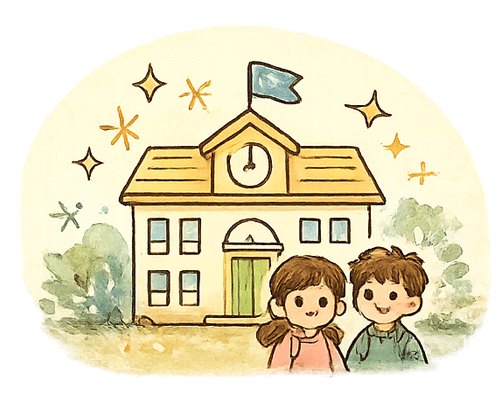
sx.ex1
Knows which subjects they are strong in and where they need help.

sx.ex2
Says what they feel — “I’m tired” or “I’m sad” — instead of lashing out.
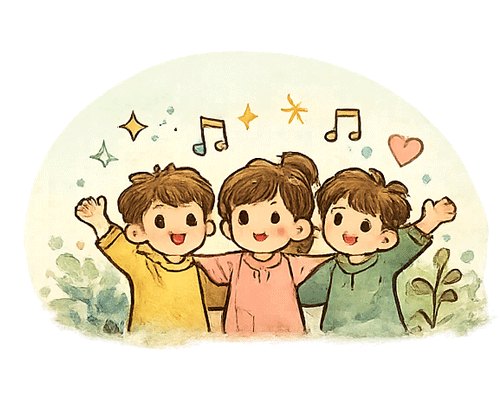
sx.ex3
Knows what they like and chooses healthier friendships.
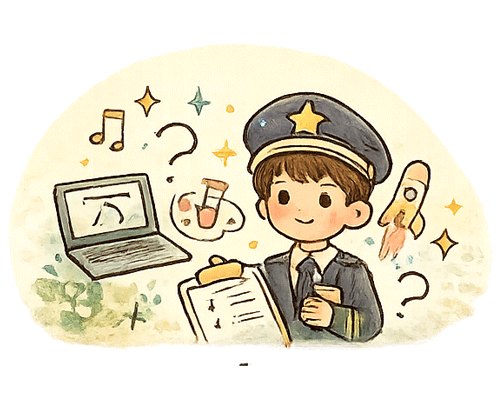
sx.ex4
Chooses a field and path that fits their values and talents.
Connection to coaching
Your coach uses gentle, deep questions to accompany the child in getting to know their inner world. Art is a mirror for seeing oneself.
Let’s begin together →Workshops that build this skill
View all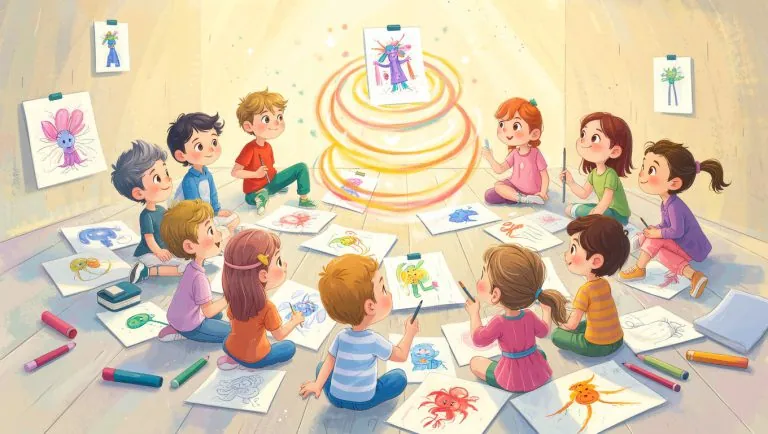

Questions, answered
Is self-awareness possible for a 6-year-old?
Yes. Through drawing and play, even a young child learns to see and name their feelings.
How is this different from confidence?
Confidence is believing in yourself; self-awareness is its foundation. A child who knows themselves builds a more realistic belief.
How can parents help?
By asking “how did you feel today?” and listening without judgement, continuing the class practice at home.