Decision Making
Making conscious choices for a better life
Decision-making is the ability to evaluate options and choose the best path with awareness of consequences. This skill helps children become more independent and responsible in life.
Our program uses real-life scenarios, decision-making games and artistic activities to teach children how to make conscious choices.
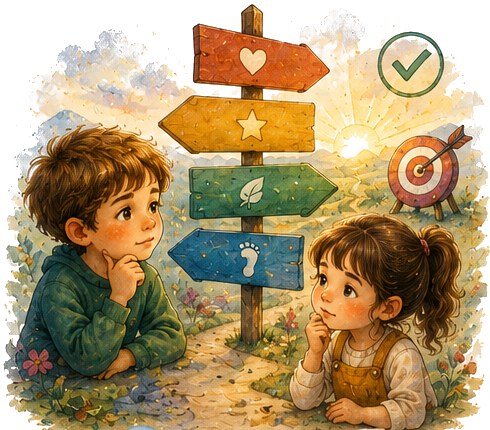
Program impact
Evaluating options
comparing different solutions
Assessing consequences
predicting the outcomes of each choice
Responsible choice
choosing based on awareness and values
Confidence in decisions
believing in one’s ability to choose wisely
Taking responsibility
accepting the results of decisions
The learning path
- 1
Identifying options
seeing all possible paths
- 2
Assessing consequences
thinking about the outcomes of each option
- 3
Choosing
making a conscious decision
- 4
Acting
implementing the decision
- 5
Evaluating
reviewing the result and learning for next time
Real-life examples
At School
Choosing between fields of study or study methods
At Home
Choosing between options for purchases, planning, or leisure
With Friends
Choosing a game or group activity
Future Career
Choosing a career path and making professional decisions
Connection to coaching
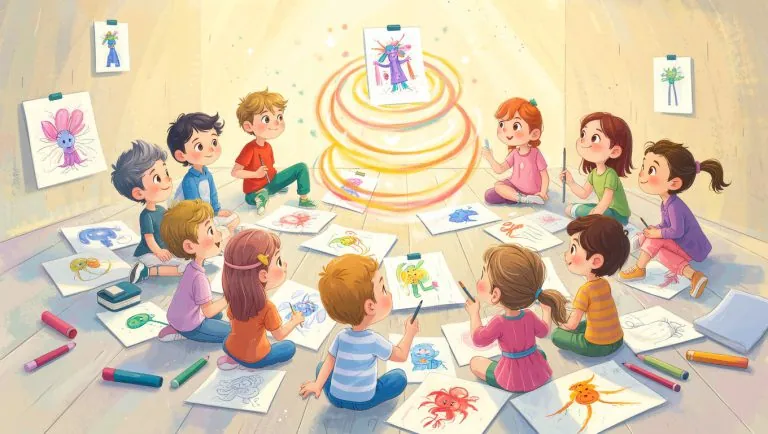
Your coach uses strategic questions to guide the child in discovering the best choice. Art provides a safe space for practising decision-making.
Let’s begin together →How does this skill shape a child's future?
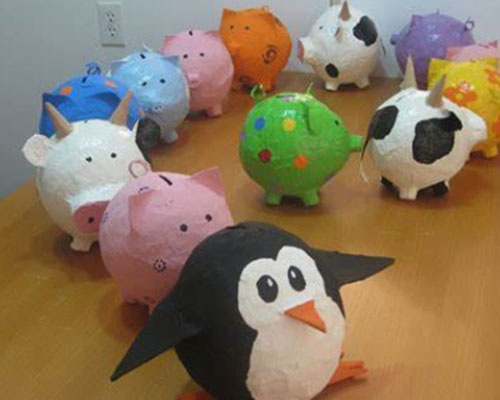
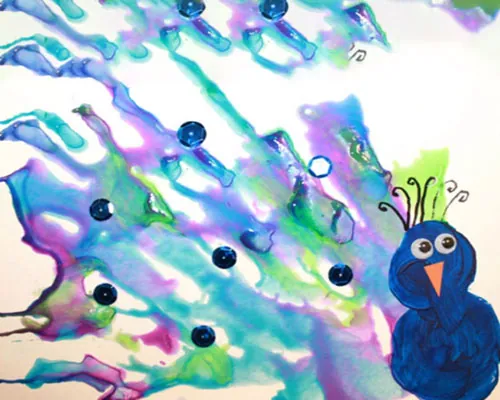
Decision-making is one of the most important life skills. A child who practices decision-making today can make the best choices in complex situations tomorrow, work effectively in teams, and as a leader, guide others. This skill is the foundation of success in all aspects of life. Artistic coaching helps children use art as a tool for practicing decision-making and develop an open, analytical mind.
- Applies all these abilities in everyday situations, and learns to plan in order to achieve their goals.
- Develops the ability to adapt to new and unexpected situations, and through continuous practice, experiences resilience and perseverance when facing difficulties.
- Learns to think independently without relying on others, and strengthens the ability to express thoughts and collaborate with others.
- Recognizes and controls their emotions, and learns to be accountable for their own choices.
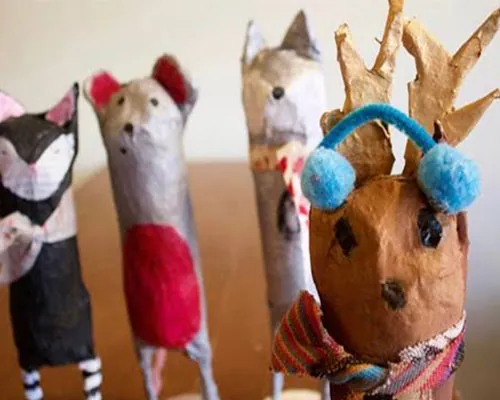
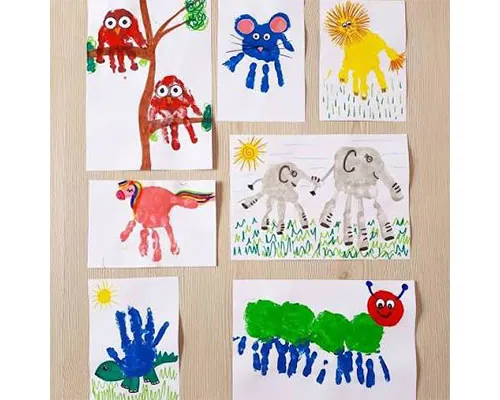
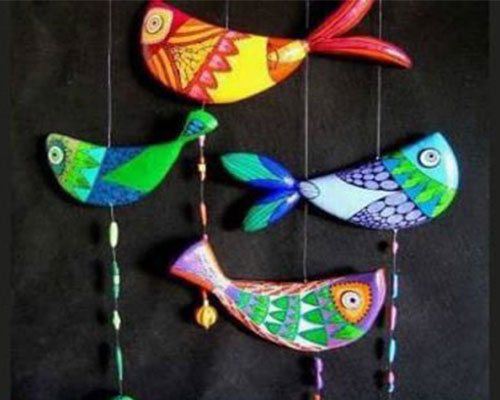
From Mind to Masterpiece

Parents share their experience
"My son used to be very indecisive in his choices. But now he makes decisions with more confidence, and I see this change at school too." – 👤 Amirali's Mother
"My daughter learned to evaluate options before any decision and choose the best one. This skill has helped her a lot and she uses it in everyday life." – 👤 Baran's Father
"Artistic coaching had a great impact on my son's decision-making. He now knows that every decision has consequences and must be made consciously. He applies this skill at school too." – 👤 Ava's Mother
Workshops that build this skill
View all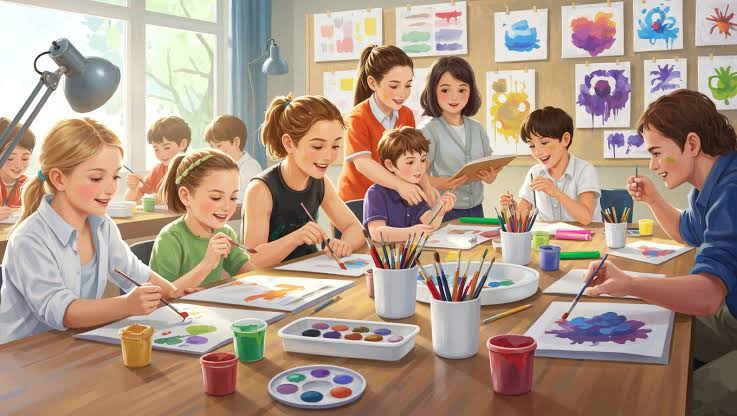
Questions, answered
1. Is decision-making an innate talent or can it be developed?
Decision-making is a developable skill that can be strengthened with practice and proper coaching techniques.
2. How is this workshop different from counseling classes?
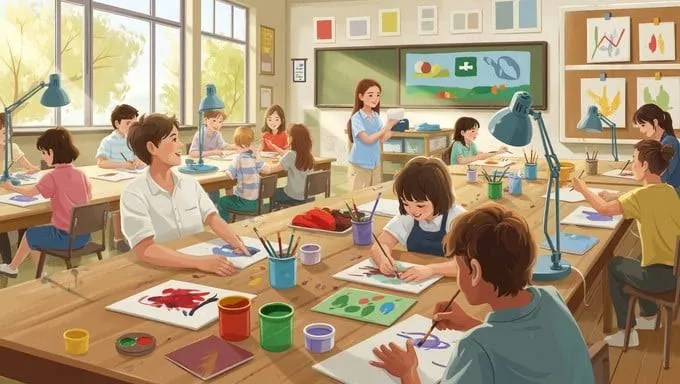
The difference lies in the coaching approach and the use of art. Instead of direct counseling, the child is guided through artistic activities to discover the best choices.
3. Is this skill only useful in important situations?
No, decision-making is applicable in all moments of life, from the simplest choices to the most important decisions.
4. How many sessions are needed to see results?
Usually, after 4 to 6 sessions, noticeable changes can be observed in the child's decision-making ability.