Critical Thinking
Analysis, questioning and conscious evaluation
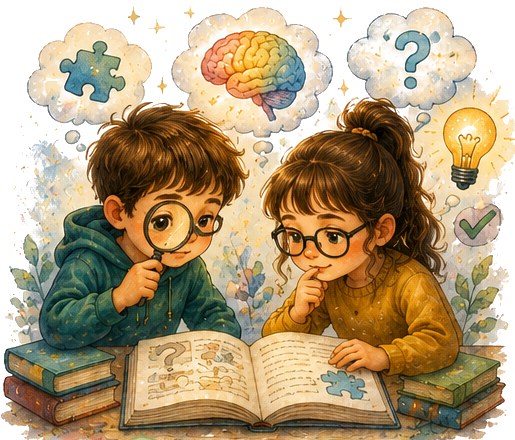
Critical thinking is the ability to analyse information, ask the right questions and evaluate evidence before accepting an opinion. In a world full of information, this skill helps children think independently and consciously.
Your coach uses purposeful questions to invite the child to look deeper and examine things from different angles.
Program impact
Analysing information
breaking a topic into smaller parts
Questioning
asking clear and deep questions
Evaluating evidence
telling reliable information from unreliable
Logical reasoning
reaching a conclusion with reasons
Independent thinking
having one’s own opinion without depending on others
The learning path
- 1
Observation
paying attention to what we see and hear
- 2
Asking questions
“how do I know?” and “why?”
- 3
Analysis
examining from different angles
- 4
Conclusion
reaching a reasoned conclusion
- 5
Feedback
revisiting the conclusion and learning
Real-life examples
At School
Analyzing textbooks, evaluating scientific sources, and participating in class debates
At Home
Detecting fake news, analyzing online information, and making informed decisions
With Friends
Evaluating ideas, constructive criticism, and deep conversations
Becoming a capable analyst, researcher, or manager
Becoming an innovator, designer, or creative entrepreneur
Connection to coaching
Your coach uses purposeful questions to invite the child into curiosity and deep examination. Art is practice in seeing things from more than one angle.
Let’s begin together →How does this skill shape a child's future?
Critical thinking is one of the most key skills of the 21st century. A child who practices critical thinking today can find their way in a world full of contradictory information tomorrow, make the right decisions, and as a conscious and responsible citizen, have an impact on society. This skill is the foundation of success in higher education, career, and personal life. Artistic coaching helps children develop a critical and questioning mind through creating and analyzing artworks.
- Applies all these abilities in everyday situations, and learns to plan in order to achieve their goals.
- Develops the ability to adapt to new and unexpected situations, and through continuous practice, experiences resilience and perseverance when facing difficulties.
- Learns to think independently without relying on others, and strengthens the ability to express thoughts and collaborate with others.
- Recognizes and controls their emotions, and learns to be accountable for their own choices.
From Mind to Masterpiece



Parents share their experience
"My son used to accept everything without thinking. But now he questions things before accepting them. I see this change in his behavior at school too." – 👤 Radin's Mother
"My daughter learned to pay attention to different sources and compare information. This skill has helped her a lot in her school projects." – 👤 Ava's Father
"Artistic coaching had a profound impact on my son's critical thinking. He can now discover the hidden layers of paintings and artworks with a critical eye and applies this skill in everyday life." – 👤 Daniel's Mother
Workshops that build this skill
View all Open
Brave Brush
Self-Confidence • Courage • Growth Mindset • Self-Expression
Join now →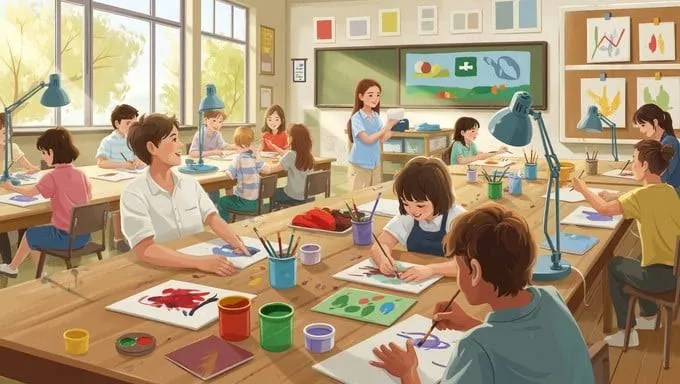 Open
Colors of Emotions
Emotional Intelligence • Self-Awareness • Emotional Expression
Join now →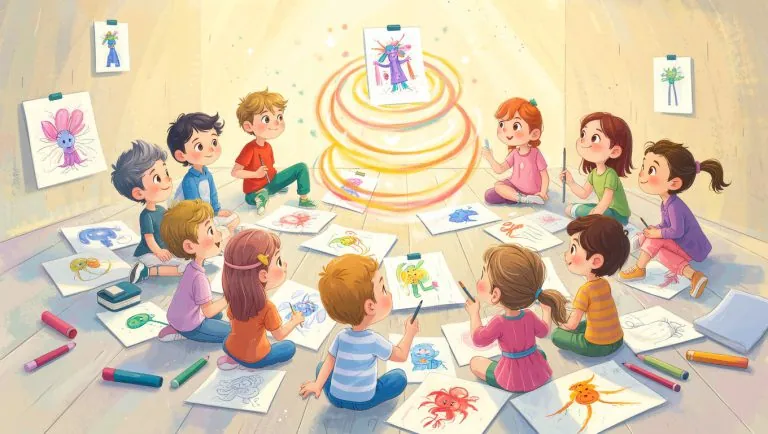 Open
Discover Yourself
Self-Discovery • Self-Esteem • Talent Discovery
Join now → Open
Focus & Create
Focus • Responsibility • Perseverance
Join now →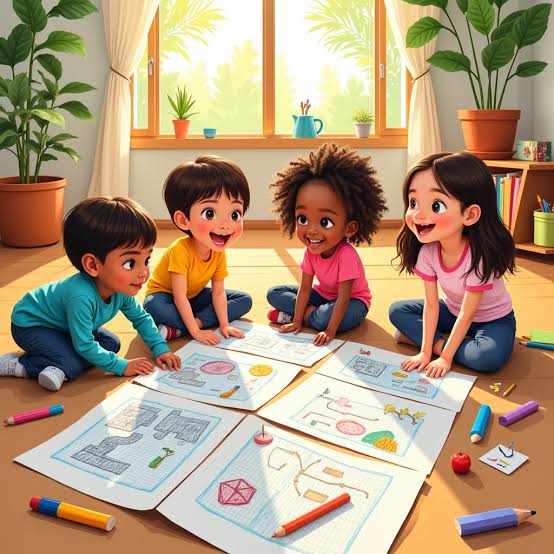 Open
From Imagination to Creation
Creativity • Problem Solving • Design Thinking
Join now → OpenI Start, I Finish
Commitment • Responsibility • Perseverance
Join now → OpenMy Voice
Effective Communication • Self-Expression • Active Listening
Join now → Open
Peaceful Mind
Mindfulness • Emotion Regulation • Patience
Join now →Questions, answered
1. Is critical thinking an innate talent or can it be developed?
Critical thinking is a completely developable skill that can be strengthened with practice and proper coaching techniques.
2. How is this workshop different from logic and philosophy classes?
The difference lies in the practical and artistic approach. Instead of theoretical teaching, the child practices critical thinking through artistic activities and purposeful questioning.
3. Is critical thinking only useful in scientific matters?
No, critical thinking is applicable in all aspects of life, from social relationships to everyday decisions.
4. How many sessions are needed to see results?
Usually, after 4 to 6 sessions, noticeable changes can be observed in the child's critical thinking ability.