Responsibility
Commitment to oneself, others and the environment
Responsibility means accepting the results of one’s choices and committing to duties. A responsible child cares about themselves, family, friends and their surroundings.
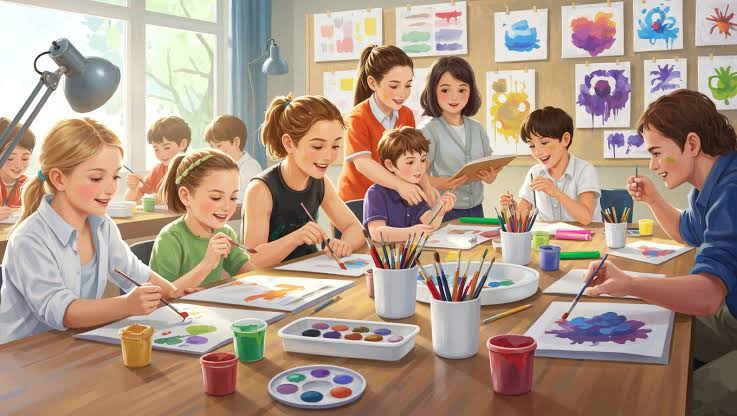
In art projects, each child is responsible for their own share.
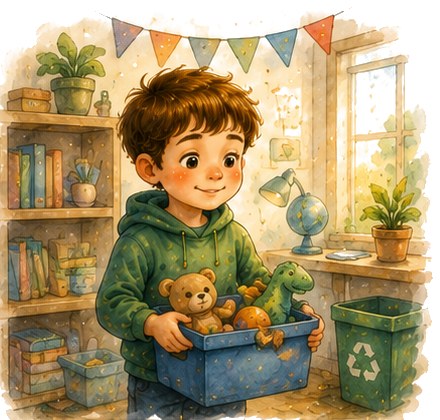
Program impact
Commitment
keeping one’s word and duty
Conscientiousness
doing the work on time
Accountability
accepting the results of one’s behaviour
Social participation
having a share in family and community
Self-regulation
controlling behaviour and time
The learning path
- 1
Awareness
understanding the duty and its effect
- 2
Commitment
accepting responsibility
- 3
Action
doing the work with care
- 4
Evaluation
reviewing the result
- 5
Improvement
doing better next time
Real-life examples
sx.ex1
Prepares their own homework and school things.

sx.ex2
Tidies their belongings and takes a share of household tasks.
sx.ex3
Keeps promises and owns their mistakes.
sx.ex4
At work is committed, careful and accountable for the result.
Connection to coaching
With questions about choices and results, your coach nurtures the child’s sense of ownership over their behaviour.
Let’s begin together →
Questions, answered
From what age should we start responsibility?
From early childhood, with small age-appropriate duties like tidying toys.
What if the child makes a mistake?
A mistake is a chance to learn; through questions the child finds their own way to make amends.
How is responsibility different from obedience?
Obedience is following orders; responsibility is a conscious choice and owning the result.