Respect for Diversity
Accepting differences and global citizenship
Respect for diversity means accepting and honouring cultural, linguistic and individual differences. A child who accepts diversity becomes an empathic, global citizen.
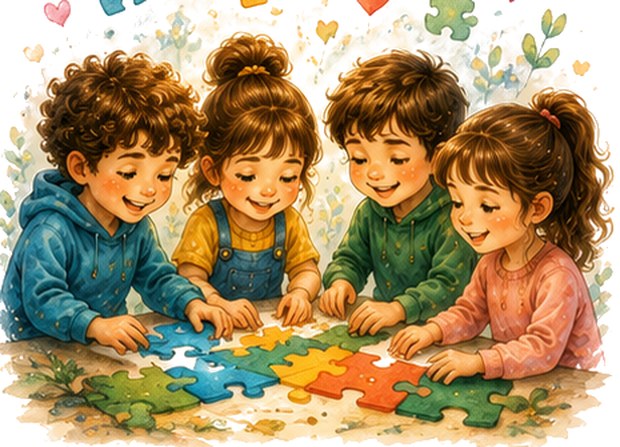
In our international classes, art is the shared language of all children.
Program impact
Knowing differences
awareness of varied cultures and views
Cultural empathy
understanding others’ experience
Respect
treating differences respectfully
Peaceful coexistence
living side by side
Global citizenship
a sense of belonging to the world
The learning path
- 1
Getting acquainted
seeing differences
- 2
Understanding
grasping the reasons and context of differences
- 3
Acceptance
accepting without judgement
- 4
Respect
respectful behaviour
- 5
Coexistence
building a space with room for everyone
Real-life examples
sx.ex1
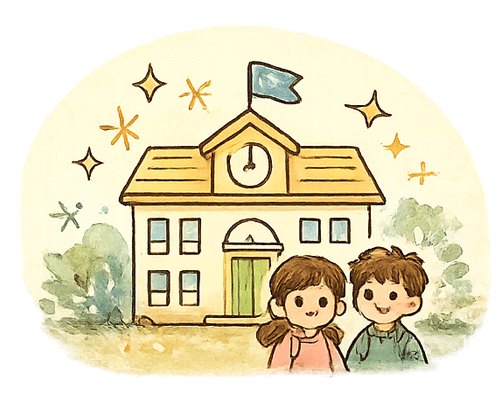
Befriends a classmate from another culture or language with curiosity and respect.
sx.ex2
At home asks about and learns the traditions and foods of different cultures.
sx.ex3
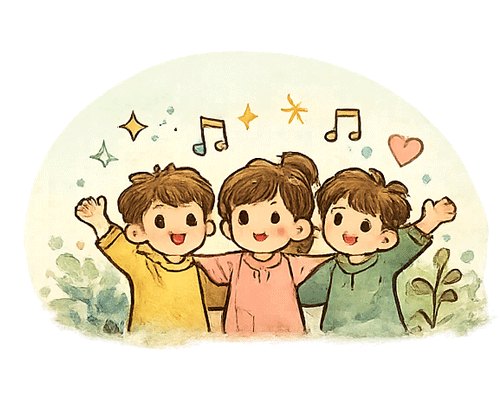
Accepts their friends’ differences and does not mock anyone.
sx.ex4
In an international workplace cooperates with people from different cultures.
Connection to coaching
With curious questions, your coach accompanies the child in getting to know others and accepting differences.
Let’s begin together →Workshops that build this skill
View all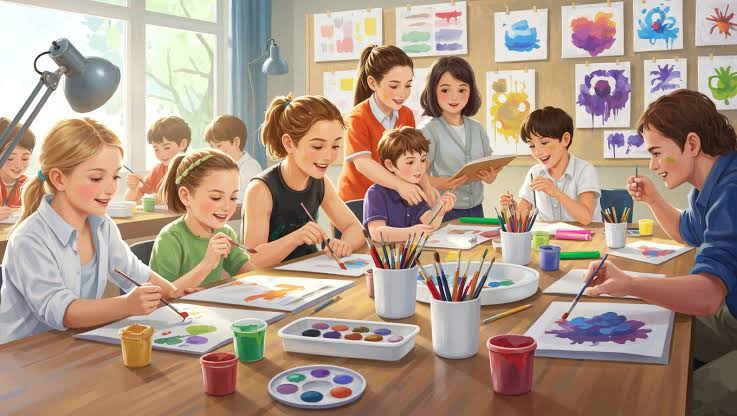
Questions, answered
How does this help migrant families?
The child learns to respect other cultures while keeping their own identity, and finds their place in the group.
Are religion or politics discussed?
No. The focus is curiosity, respect and shared experience through art.
Are the classes multilingual?
Yes, we work in Turkish, English, Russian and Persian, and art is the children’s shared language.