Social Participation
Making a positive impact on the community and helping others
Social participation means seeing what the community needs and acting to make a positive change. A child who participates feels that their voice matters and that they can make a difference.
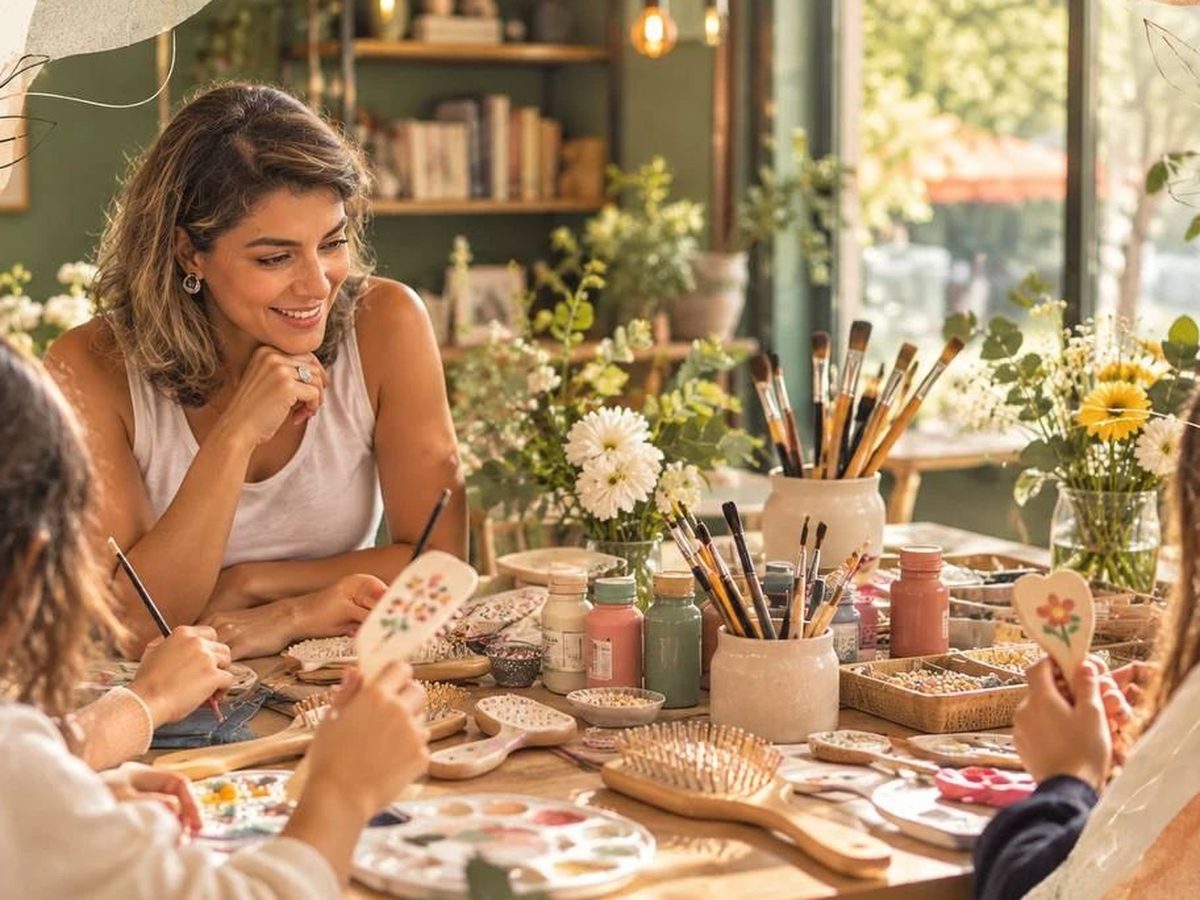
Group art projects are a way of acting for the benefit of others.
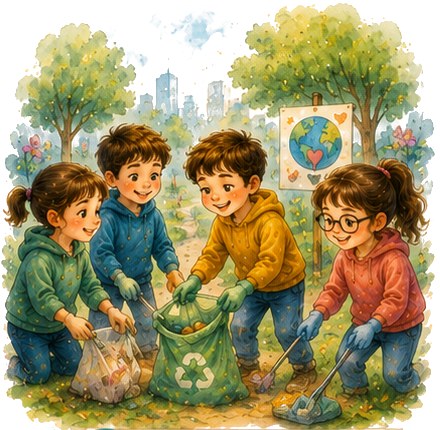
Program impact
Social awareness
seeing the needs around us
Active empathy
turning empathy into action
Helping others
having a share in the wellbeing of the group
Civic responsibility
a sense of belonging and commitment to the community
Volunteering
giving time and energy for others
The learning path
- 1
Awareness
seeing the problem around us
- 2
Empathy
feeling others’ needs
- 3
Action
doing something practical
- 4
Impact
seeing the positive effect
- 5
Continuity
continuing and inspiring others
Real-life examples
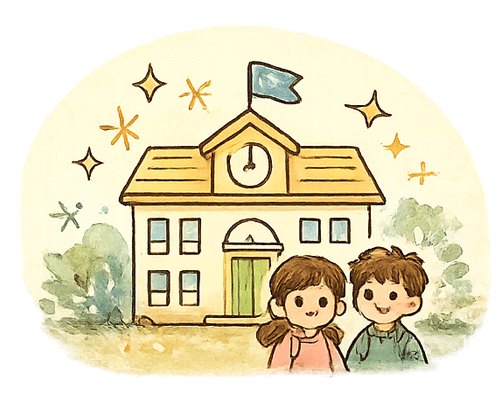
sx.ex1
Takes the lead in a school project for cleanliness or helping classmates.
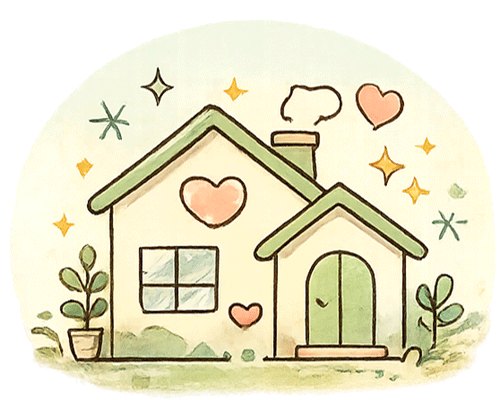
sx.ex2
Helps neighbours or family members at home.
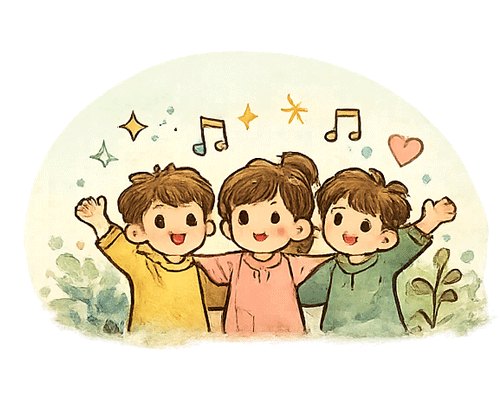
sx.ex3
Joins friends in volunteering such as picking up litter in the park.
sx.ex4
In future plays an active, responsible role in the community and environment.
Connection to coaching
With questions like “what can you do?”, your coach invites the child to take a small but real action.
Let’s begin together →Workshops that build this skill
View all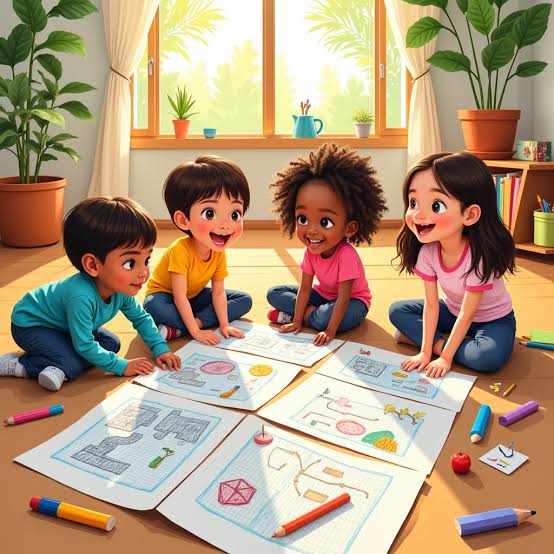
Questions, answered
What does social participation have to do with art?
Group art projects, like a mural or crafts for others, are a practical way to make an impact.
Does the child take on heavy work?
No. Activities are simple, age-appropriate and always with adult support.
How will we see the result?
The child feels their voice matters and starts taking initiative.