Your child knows the answer, but the words stay stuck. At the dinner table, in class, or when a relative asks a question, they go quiet and look at the floor. If this sounds familiar, you may worry that they are missing out. The good news is that shyness is not something to fix. It is a temperament, and with the right support, quiet children can learn to share what is inside them in their own way. Art is one of the gentlest ways to begin.
Shy does not mean empty
Many shy children are deep observers. They notice details, feel things strongly and think before they speak. For them, a room full of faces and a question that needs an instant answer can feel like standing on a stage. The problem is rarely a lack of ideas. It is the pressure of having to say them out loud, right now, to someone watching.
It helps to avoid labels such as “she is the shy one.” Children tend to grow into the words they hear about themselves. Try saying instead, “You like to take your time, and that is a good thing.”
Why art makes speaking easier
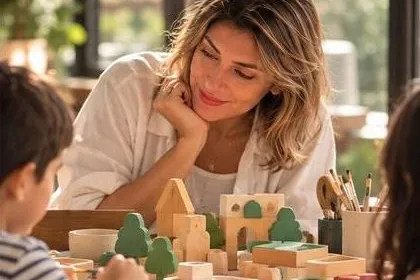
When a child draws, the attention moves from the child to the paper. Nobody is waiting for a reply. Hands are busy, eyes are down, and the pressure drops. Many educators observe that children who barely speak in a group will talk quite freely while they are painting or building something, because the activity gives them something to do and something to talk about.
A picture also gives a shy child a message they can hand over without saying a word. Showing is often the first step before telling.
Ways to start at home
You don’t need a special setup. A table, paper and a few colours are enough. What matters more is the atmosphere around them: unhurried, curious and free of correction.
- Draw side by side without talking at first. Silence is allowed.
- Ask about the picture, not the child: “What is happening in this corner?” feels easier than “How are you feeling?”
- Let a character speak. A drawn animal or a puppet can say what the child finds hard to say as themselves.
- Offer choices instead of open questions: “Would you like to tell me about it now or after dinner?”
- Make a “secret message” drawing for a grandparent or a friend, then let your child decide whether to share it.
- Keep the pictures somewhere visible. It tells your child their voice matters.
Be patient with the pace. Some children need many quiet sessions of drawing before they say a single word about it, and that is perfectly fine. Trust is built in small, repeated moments where nothing is demanded. Over weeks, you may notice a sentence here, a joke there, and a little more eye contact when they hand you a picture.
What to avoid
Try not to push your child to present their drawing in front of guests, or to speak up “just a little” in public so that others see they can. Being put on the spot usually deepens the silence. Also avoid finishing their sentences. A few extra seconds of waiting can feel long to you, but it is the space your child needs to find the words.
Celebrate small steps: a whispered sentence, a pointed finger, a picture that was shared. These are real progress, even if they look tiny from the outside.
When to look for extra support
Ordinary shyness is common and usually eases with time and warm encounters. If your child is silent in every setting, avoids school, or seems very worried or distressed, it is wise to talk with a school counsellor, a paediatrician or another qualified professional. Art-based coaching supports confidence and self-expression in everyday life, but it does not replace professional care.
A small, safe step into a group
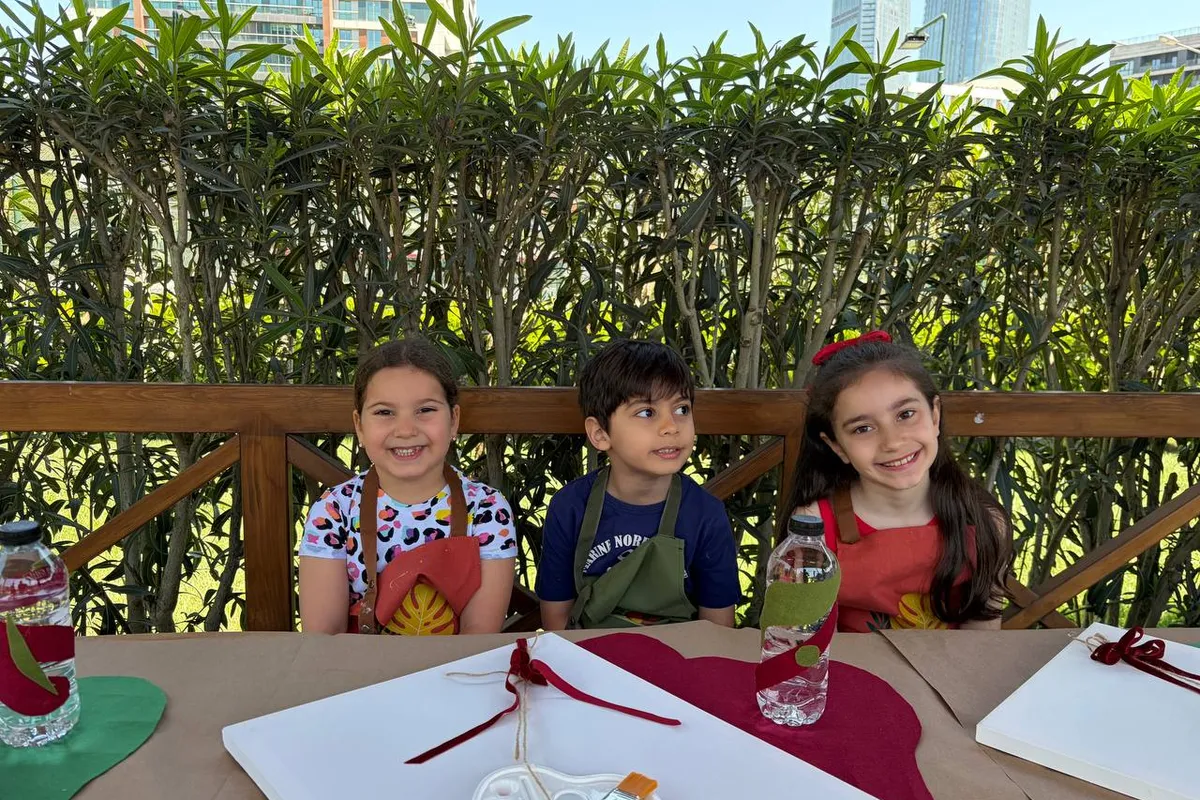
Some shy children flourish when they join a small group where nobody is judged, and where the activity does the talking at first. In our kids coaching sessions and art workshops, children paint, build and play at their own pace. Speaking is always welcome, never required. If you would like to see whether this could suit your child, browse our workshops or write to us. We are happy to answer your questions.